SKIN · CONDITION
Acne
Acne is a common skin condition characterized by the appearance of pimples, blackheads, and whiteheads on the face, neck, chest, and back. It occurs when the hair follicles (pores) of the skin become clogged with oil, dead skin cells, and bacteria.
Free, about 40 minutes, in London, Birmingham or Manchester. A written plan and the price before you decide.
How Does Acne start?
Acne starts because of the sebaceous glands, which are located next to the hair follicles. The sebaceous glands produce an oily substance called sebum that basically helps to keep the skin moisturized. However, when these glands produce too much sebum, it can mix with dead skin cells and clog the pores, leading to the formation of acne.
Individuals with skin and body conditions can also face social isolation and discrimination. They may avoid social situations and feel self-conscious about their appearance, leading to feelings of loneliness and isolation. It's important to seek help if you are struggling with depression due to a skin or body condition and we always advise to speak to your closest family and friends first to get some advice.
Who is most affected by Acne?
Acne is most commonly seen in teenagers and young adults, but it can affect people of all ages. Hormonal changes that occur during puberty, such as an increase in androgens (male hormones), can lead to an increase in sebum production, making acne more likely to develop. However, acne can also be caused by hormonal changes that occur during pregnancy or menopause, as well as certain medications and genetic factors. There are several different types of acne: Whiteheads: Small, raised bumps that are filled with pus and have a white or yellowish appearance. Blackheads: Bumps that are open at the surface and have a black or dark brown appearance. Pustules: Red, raised bumps that are filled with pus. Papules: Small, firm, raised bumps that are not filled with pus. Nodules: Large, hard, painful bumps that are located deep in the skin. Cysts: Large, painful, fluid-filled lumps that are located deep in the skin and can cause scarring if not treated properly. It is important to note that some types of acne can be treated with over-the-counter products, but more severe forms may require prescription medication from a dermatologist or non-surgical skincare treatments from a specialist clinic.
The Best Treatments For Acne:
Acne is a common skin condition characterized by the appearance of pimples, blackheads, and whiteheads. It can be caused by a variety of factors, including hormonal changes, genetics, and certain skincare products. There are several treatments available that can help reduce the appearance of acne, including Light Therapy, Laser Treatments, Skin Care, and Chemical Peels. Light therapy uses different wavelengths of light to target the bacteria that causes acne, reducing inflammation and promoting healing. Laser treatments, such as laser resurfacing and laser therapy, can help reduce the appearance of acne scars and improve the overall texture and tone of the skin. Skin care products that contain ingredients such as salicylic acid, benzoyl peroxide, and retinoids can help to unclog pores and reduce the number of breakouts. Chemical peels, such as Glycolic and Salicylic acid peels, can also help to unclog pores and remove dead skin cells, promoting a clearer, more even-toned complexion. If you're looking for a treatment that can help with your acne, The Clinic Room offers a range of options, including Light Therapy, Laser Treatments, Skin Care and Chemical Peels. Our team of experienced professionals will work with you to create a personalized treatment plan that addresses your specific skin concerns, helping you achieve the clear, healthy-looking skin you desire.
Specialist Acne Clinic In Birmingham
If you're struggling with acne, our team at The Clinic Room is here to help. As specialists in solving acne, we understand the impact it can have on a person's self-esteem and confidence. That's why we're dedicated to providing the most advanced and innovative treatments to help our clients achieve clear, healthy skin. Our clinic helps treat more than 8,000 acne cases a year, and we have a team of experts who are dedicated to creating personalized treatment plans to suit each client's individual needs. We use state-of-the-art technology, smart treatment protocols, and a commitment to personalized care to deliver results that exceed our clients' expectations. At The Clinic Room, we understand the importance of clear skin, and we're here to help you achieve it.
Acne Test
Treatments at The Clinic Room begin from the inside out and before any treatments can begin we will always perform a health assessment and an intolerance test to see what day to day factors could be causing you to have Acne. Our tests are performed in our own labs and have a 98% success rate in identifying foods and substances your body may be intolerant too causing you to break out. We will also be looking into what vitamins and minerals you might be lacking that isn’t fuelling your immune system enough to fight the Acne off.
Written by the clinic. Educational, not a diagnosis: your practitioner examines you in person before anything is planned.
Treatments a consultation would discuss
Which of these, and in what order, is decided by the practitioner after examining you. Your own figure is written into your plan.
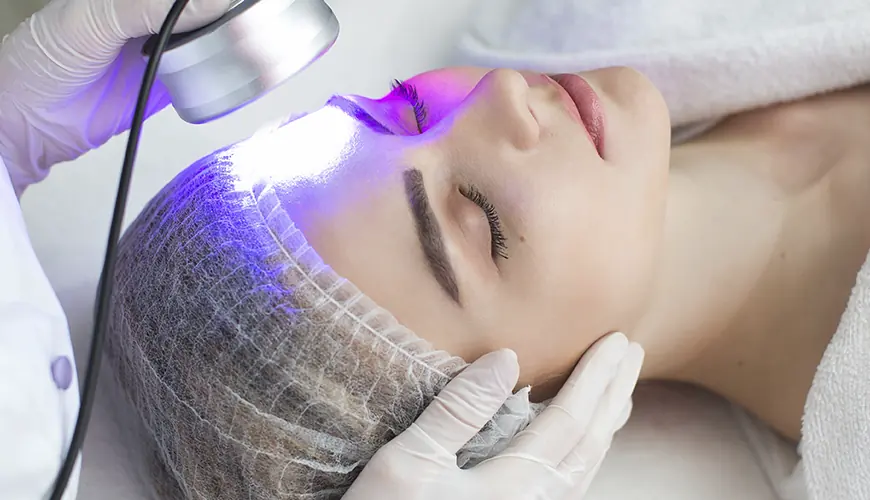
- LED light therapyLED Light Therapy can increase the amount of collagen in the skin, which can reduce the appearance of ageing. Other uses of LED Light Therapy include eczema, acne, psoriasis, rosacea, dermatitis, scarring, pigmentation and sun damage.Priced in your written plan
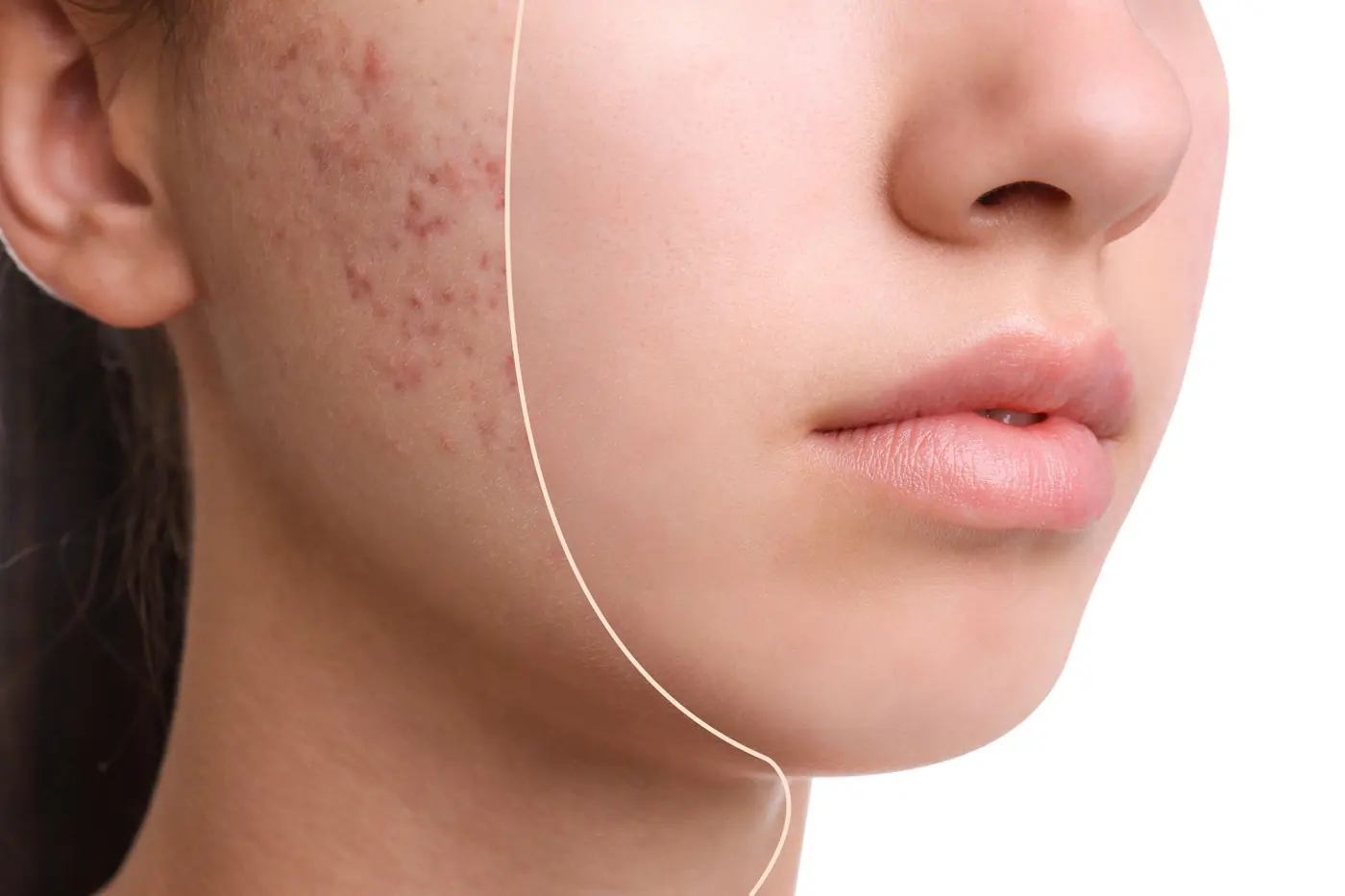 Acne treatment protocolA combination of treatments and take home skin care to help alleviate Acne from inside out. This protocol is bespoke to an individual and may be altered at initial treatment or consultation.Priced in your written plan
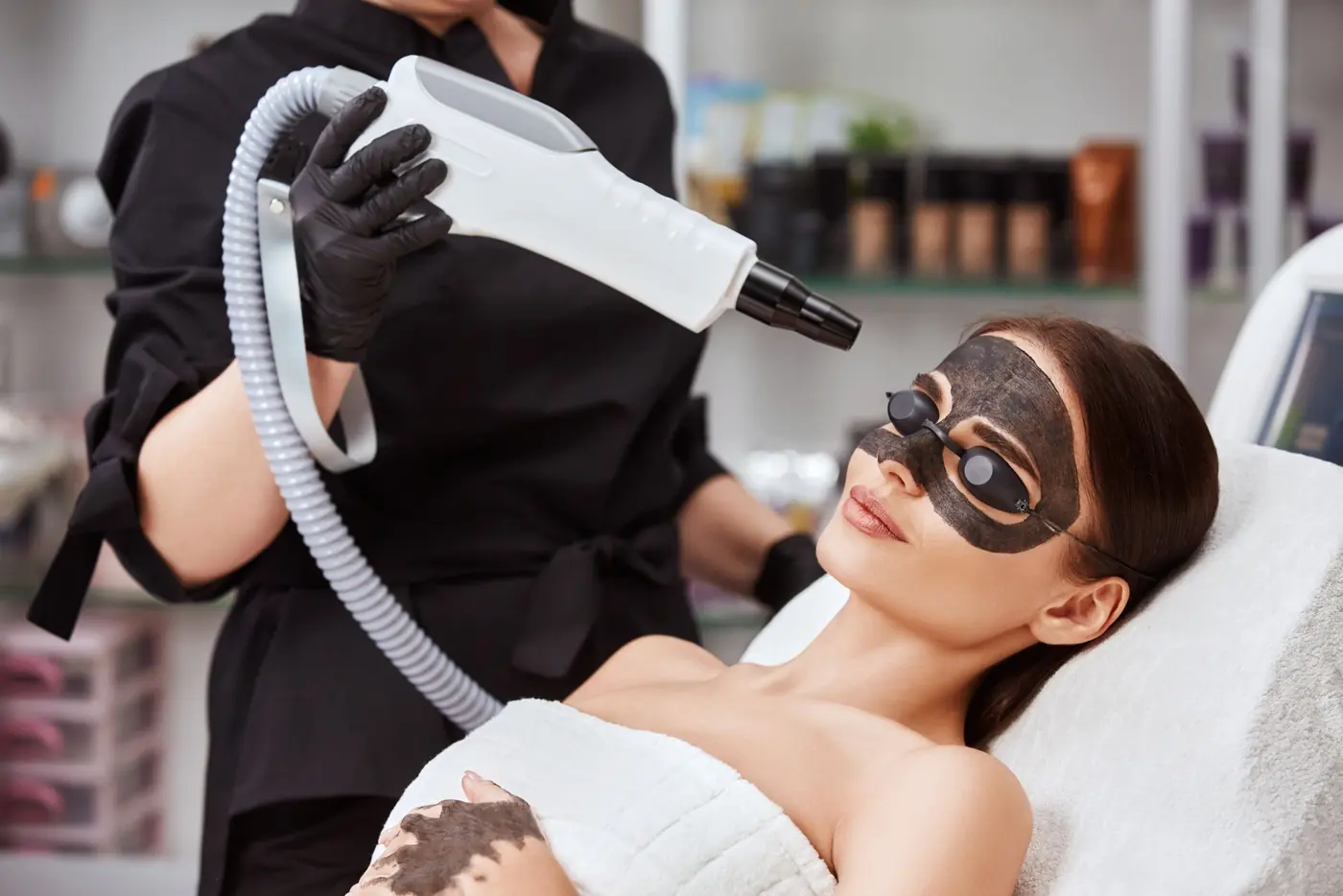 Carbon laser facialThe Carbon Laser treatment is used to exfoliate and resurface the skin to help being out the finer skin beneath all the debris. It also help me promote collagen and make the skin feel much more firmer and youthful.Priced in your written plan
 Miracle Skin ProgrammeThe Miracle Skin Programme , expertly designed to visibly improve pigmented skin within a brief period of 6-10 weeks. Tailored to meet individual skin needs, our programme utilizes a bespoke combination of advanced treatments including Lasers , Radio Frequency , Microneedling , and Chemical Peels. This multi-faceted approach not only addresses hyperpigmentation but also enhances overall skin health, providing you with a more even, radiant complexion.Priced in your written plan
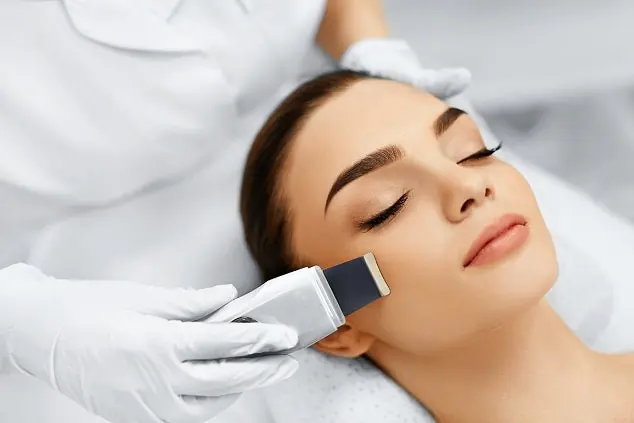 Ultrasonic skin scrubOne of most advanced facial treatments to aid in removal of skin debris and black heads.Priced in your written plan
Other skin conditions
Questions people ask before booking
Is the consultation really free?
Yes. About 40 minutes, in person, in London, Birmingham or Manchester. You leave with a written plan and the price. No obligation.
How much will it cost?
It depends on what your skin needs. Your figure is written into your plan at the free consultation, before you decide, and there are flexible instalment options with no interest or admin fees.
How many visits, and how long?
A standard course is three to six visits over six to ten weeks. If there is a date you are working to, count back ten weeks and tell us.
Does it hurt?
Most treatments feel like warmth, tingling or a quick sting rather than pain, and numbing cream is used where it helps. The practitioner tells you exactly what to expect for your treatment before you decide, and you can stop at any point.
How many visits will I need?
It depends on the treatment and on your skin. Many plans are three to six visits over six to ten weeks; some single treatments are one visit. Your written plan says the number before you pay for anything.
When will I see a difference, and how long does it last?
Some treatments show a change within days; those that work by building collagen take six to twelve weeks to show fully. How long results last depends on the treatment, your skin and how well it is protected from the sun. The practitioner gives you a realistic timeline rather than a promise.
What is the downtime?
Anything from none to a few days of redness or peeling, depending on the treatment. Each treatment page says what to expect, and the plan is timed around your diary where it matters, for example before an event.
Is it safe for darker skin?
Darker skin has more active pigment cells and marks more easily, so settings and treatments are chosen for your skin type and some are avoided. Tell us your skin type at the consultation and the plan is built around it.
Who should not have it?
Pregnancy, some medications, active infections and certain medical conditions rule some treatments out. The consultation goes through this with you, and if a treatment is not suitable the practitioner says so and suggests what will work instead.
Can I combine treatments?
Often, and the programmes are built that way. The order matters: active acne is calmed before scarring is treated, for example. The practitioner sets the sequence.
Real results for acne
See every result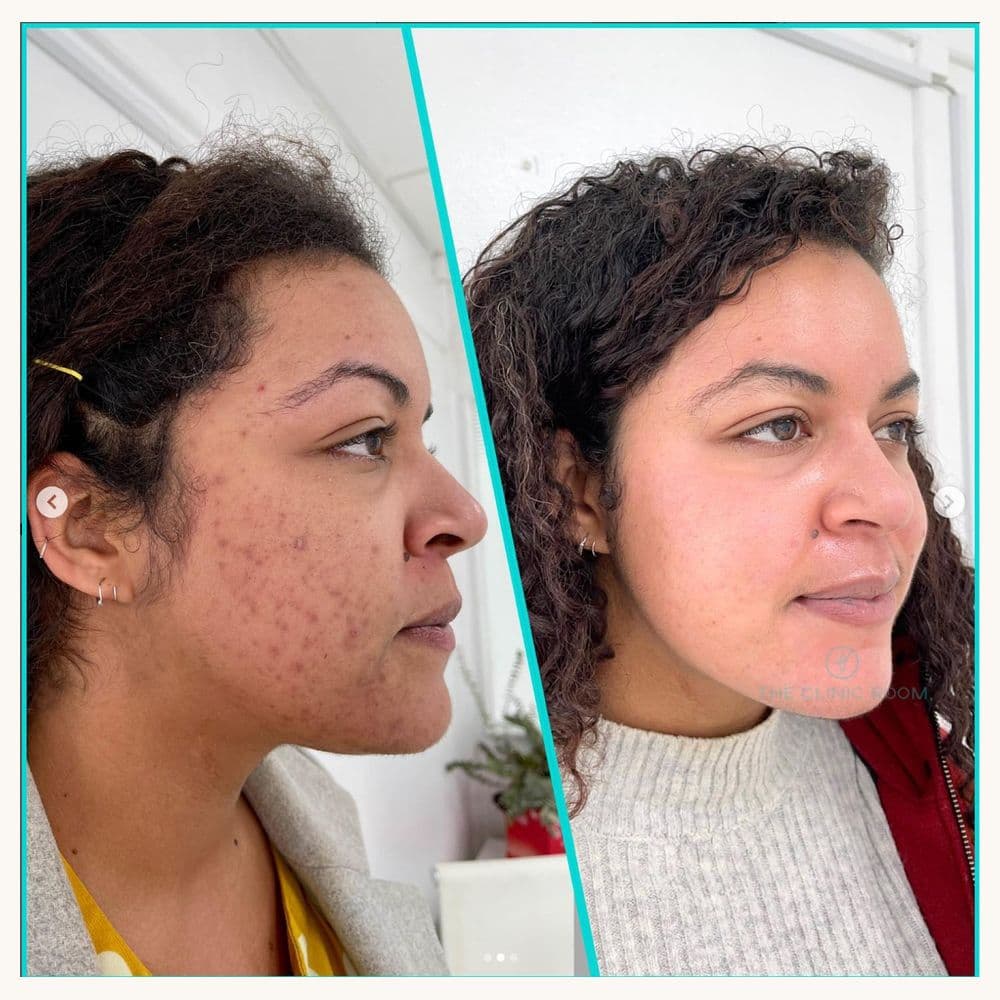
Active acne and acne scars — 8 weeks on the Miracle Skin Programme 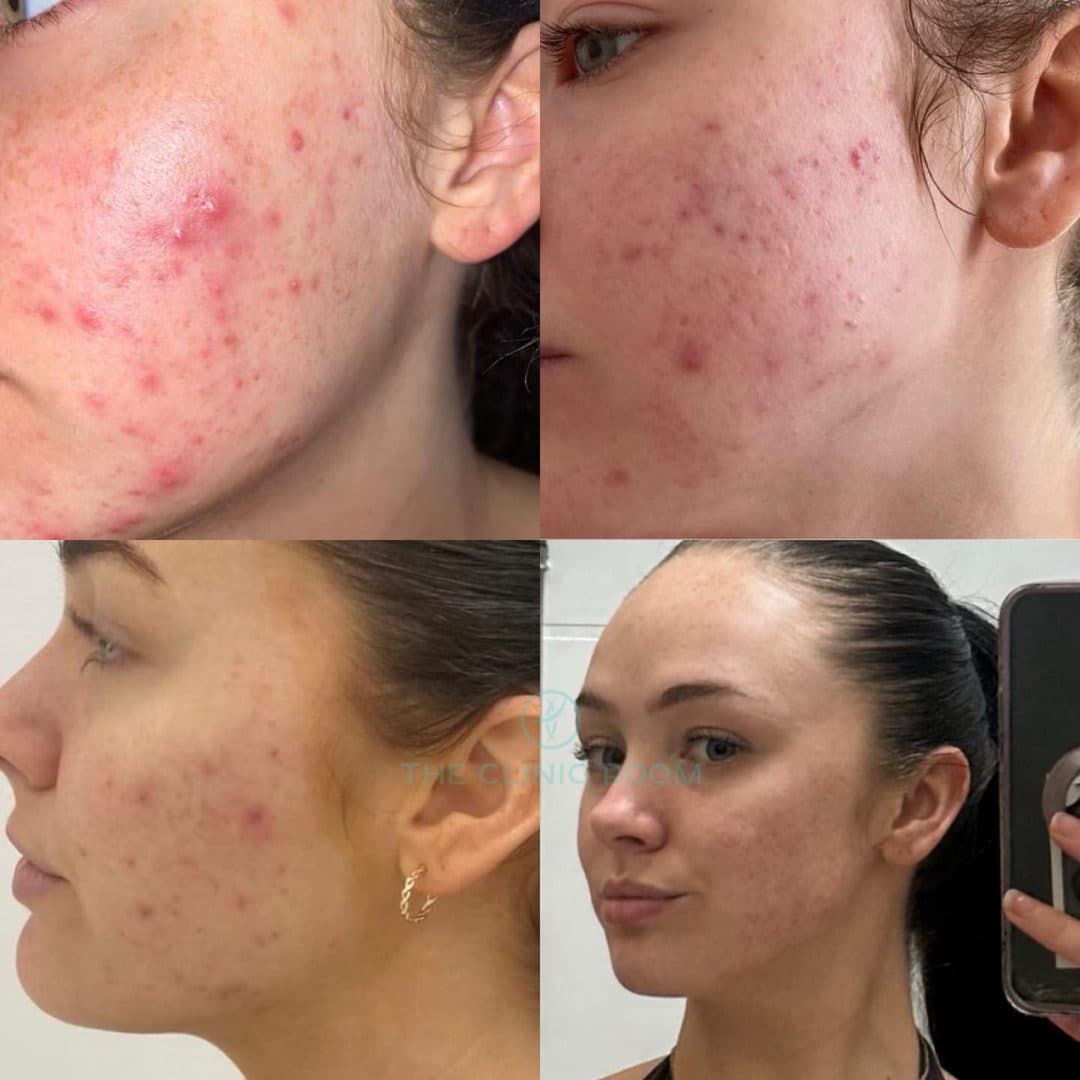
Active acne and scarring — day 1 to the third session 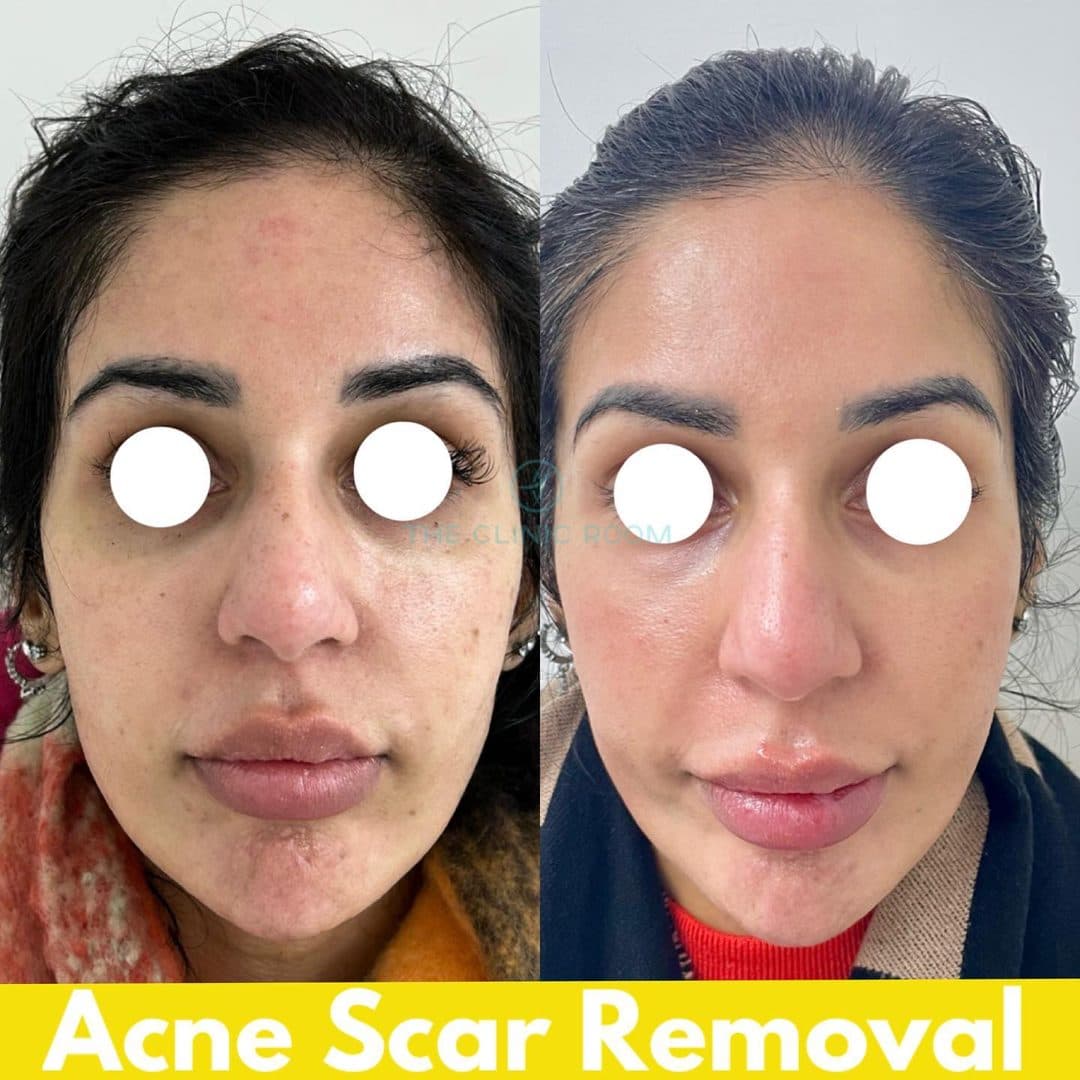
Acne scar removal — before and after 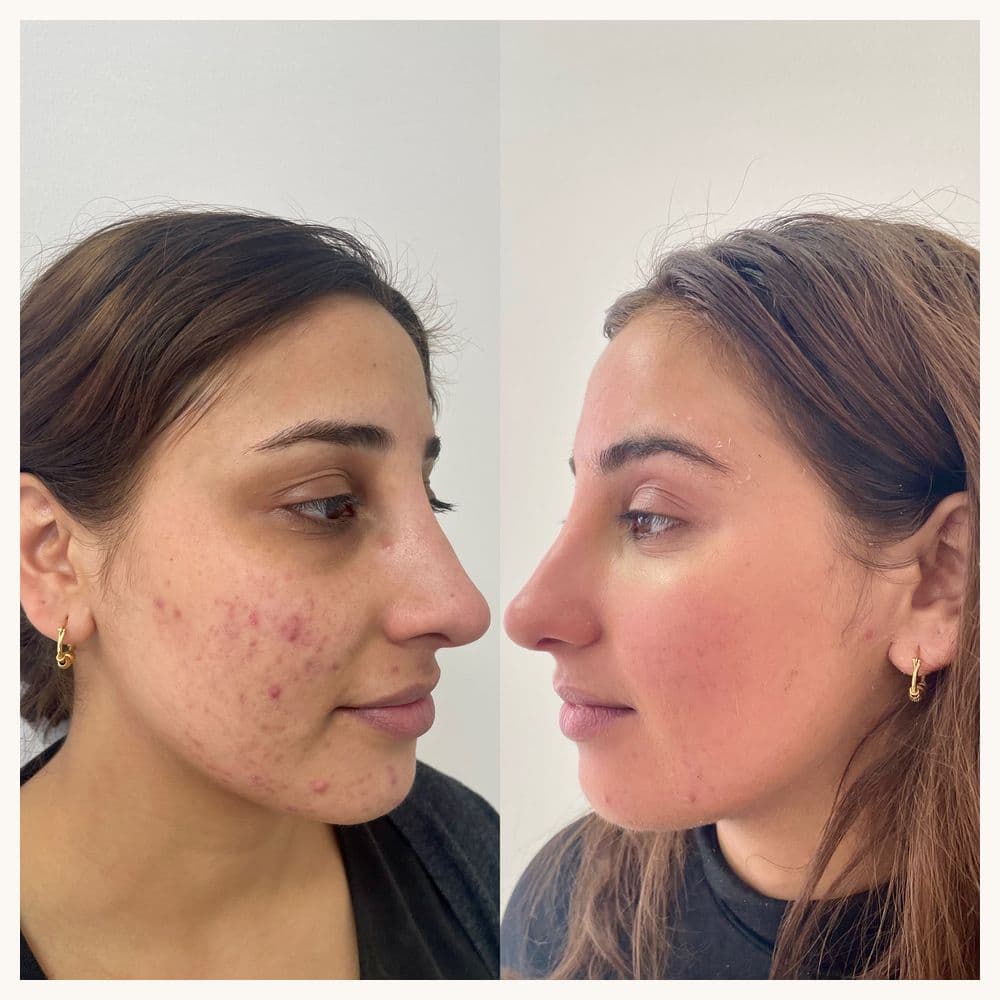
Acne that nothing had cleared — clear in 9 weeks
Each caption says what was done; some patients had a combined plan. Results vary from person to person. Every photograph is a Clinic Room patient who agreed to share it, and your consultation is where we say what is realistic for you.
Talk to a practitioner about acne.
Book directly, or ask for a call back. No pressure, no obligation.
Choose your clinic and a real appointment time below, and confirm in about a minute. A free consultation takes about 40 minutes, in person. You leave with a written plan and the price, with no obligation.
Real appointment times, confirmed instantly. Not showing? Open the booking page in a new tab.