BODY · CONDITION
Postnatal
Childbirth is a wonderful and transformative experience, but it can also leave new mothers with various skin and body issues that are not often talked about. From stretch marks to sagging skin, postnatal symptoms can be a source of frustration for many women.
Free, about 40 minutes, in London, Birmingham or Manchester. A written plan and the price before you decide.
The good news is that these symptoms can be managed, and many new mothers turn to The Clinic Room for help. At The Clinic Room, our practitioners are specifically trained to treat postnatal symptoms, and we routinely help new mothers restore their skin and body back to their pre-pregnancy state. Our treatments are safe and non-invasive, and we offer a range of solutions to address different postnatal symptoms. Some of the common postnatal skin and body issues that we treat include: Sagging skin: After pregnancy, the skin around the abdomen and other areas of the body can start to sag as the body returns to its pre-pregnancy state. Stretch marks: Stretch marks are a common postnatal symptom and can appear anywhere on the body. Fatigue: Many new mothers experience fatigue as their body adjusts to the demands of caring for a newborn. Hair loss: Hormonal changes can cause hair loss, and this can be distressing for new mothers. Fat Loss: Mummy tummy’s can easily be managed with Fat Freezing, and speed up the process to get ‘you’ feeling like you again. Our practitioners are experts in postnatal symptoms, and we use the latest technology to help new mothers restore their skin and body. Our treatments include: Laser skin resurfacing: This treatment uses laser technology to tighten the skin and improve its texture and tone. HIFU (High-Intensity Focused Ultrasound): This treatment uses ultrasound technology to tighten the skin and improve its appearance. Radiofrequency (RF): RF technology is used to improve skin tone and texture, and it can also help to tighten the skin. Fat Freezing: Can help remove up to 25% fat in the treated area from a single session. At The Clinic Room, we are dedicated to helping new mothers restore their skin and body after childbirth. Our practitioners are experienced and knowledgeable, and we use the latest technology to help our patients achieve their desired results. With our help, new mothers can feel confident and beautiful in their own skin once again.
Why do I have a Crooked Nose?
There are several causes for a crooked nose, including congenital defects, injuries, and genetics. Congenital defects occur when the nose does not develop properly during fetal development, while injuries can cause the nose to become crooked as a result of trauma or force. Genetics can also play a role, as a family history of a deviated septum may increase the likelihood of developing the condition.
How to fix a Crooked Nose?
For those who are unhappy with the appearance of their crooked nose or experiencing difficulty breathing, The Clinic Room offers surgical and non-surgical options to correct the condition.
Crooked Nose Surgery
Surgical correction, also known as rhinoplasty, is a procedure that involves reshaping the nose to improve its symmetry and function. The surgery is performed under general anaesthesia and typically takes several hours to complete. Recovery time can vary, but patients can expect to experience some swelling and bruising for several weeks following the procedure.
Written by the clinic. Educational, not a diagnosis: your practitioner examines you in person before anything is planned.
Treatments a consultation would discuss
Which of these, and in what order, is decided by the practitioner after examining you. Your own figure is written into your plan.
- Non-surgical breast liftAt The Clinic Room, we leverage advanced vacuum suction and radio frequency technology for a non-surgical breast lift, offering a safe and effective alternative to enhance cup size and lift drooping breasts without the risks of surgery. This innovative method, avoiding breast lift scars, provides tailored treatments to achieve a fuller, firmer look, aligning with your aesthetic goals without the need for breast lift tape or the high costs typically associated with surgical options in the UK.Priced in your written plan
- Vaginal tightening (Femi 360)Vaginal Tightening or Femi 360 is a non-surgical treatment available at The Clinic Room. Using High Intensity Focused Ultrasound, this treatment is able to contract the vaginal muscles to help with urine incontinence as well as sexual wellbeing.Priced in your written plan
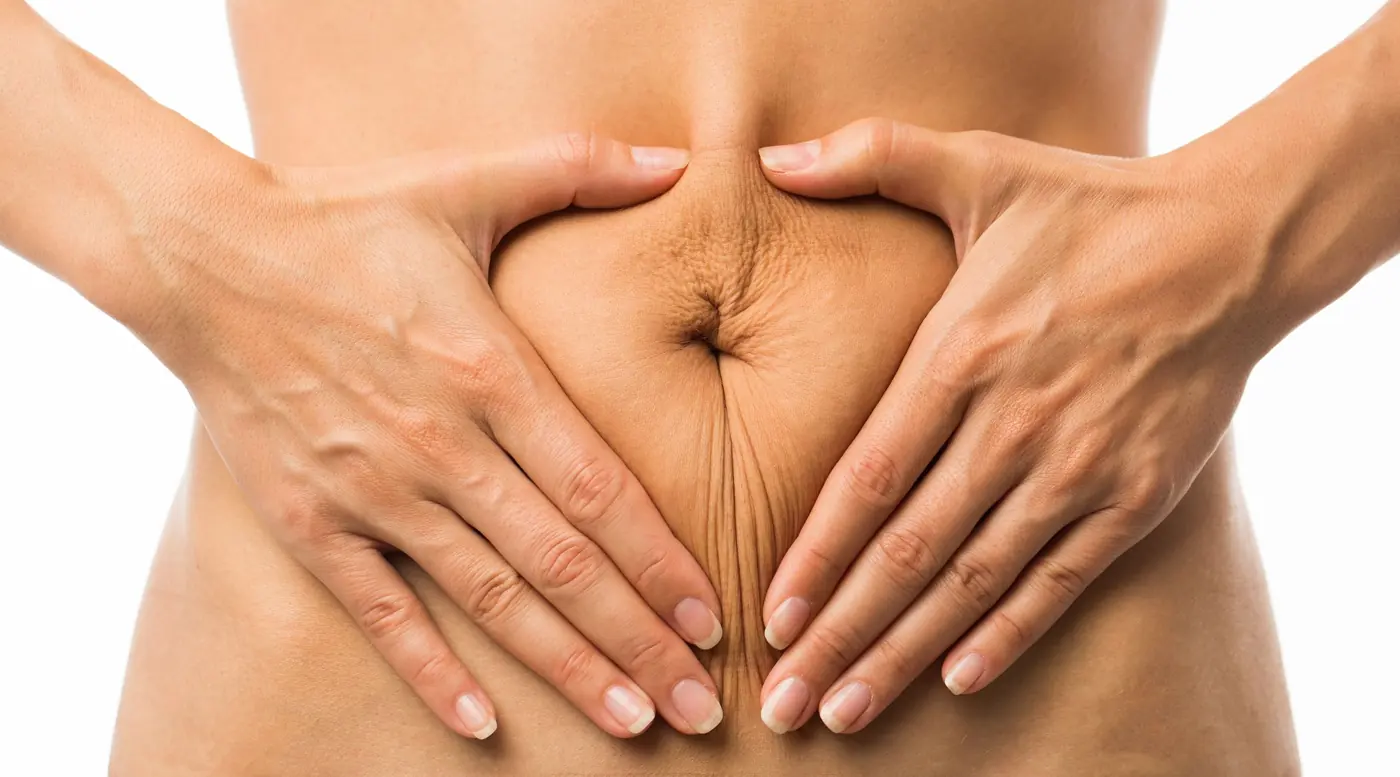 Skin tightening (radio frequency)An extremely common treatment for post pregnancy mummy tummies or loose skin derived from major weight loss. This painless Radio Frequency treatment is able to help tighten loose skin by promoting collagen in the area and recover damaged skin cells.Priced in your written plan
Other body conditions
Questions people ask before booking
Is the consultation really free?
Yes. About 40 minutes, in person, in London, Birmingham or Manchester. You leave with a written plan and the price. No obligation.
How much will it cost?
It depends on what your skin needs. Your figure is written into your plan at the free consultation, before you decide, and there are flexible instalment options with no interest or admin fees.
How many visits, and how long?
A standard course is three to six visits over six to ten weeks. If there is a date you are working to, count back ten weeks and tell us.
Does it hurt?
Most treatments feel like warmth, tingling or a quick sting rather than pain, and numbing cream is used where it helps. The practitioner tells you exactly what to expect for your treatment before you decide, and you can stop at any point.
How many visits will I need?
It depends on the treatment and on your skin. Many plans are three to six visits over six to ten weeks; some single treatments are one visit. Your written plan says the number before you pay for anything.
When will I see a difference, and how long does it last?
Some treatments show a change within days; those that work by building collagen take six to twelve weeks to show fully. How long results last depends on the treatment, your skin and how well it is protected from the sun. The practitioner gives you a realistic timeline rather than a promise.
What is the downtime?
Anything from none to a few days of redness or peeling, depending on the treatment. Each treatment page says what to expect, and the plan is timed around your diary where it matters, for example before an event.
Is it safe for darker skin?
Darker skin has more active pigment cells and marks more easily, so settings and treatments are chosen for your skin type and some are avoided. Tell us your skin type at the consultation and the plan is built around it.
Who should not have it?
Pregnancy, some medications, active infections and certain medical conditions rule some treatments out. The consultation goes through this with you, and if a treatment is not suitable the practitioner says so and suggests what will work instead.
Can I combine treatments?
Often, and the programmes are built that way. The order matters: active acne is calmed before scarring is treated, for example. The practitioner sets the sequence.
Talk to a practitioner about postnatal.
Book directly, or ask for a call back. No pressure, no obligation.
Choose your clinic and a real appointment time below, and confirm in about a minute. A free consultation takes about 40 minutes, in person. You leave with a written plan and the price, with no obligation.
Real appointment times, confirmed instantly. Not showing? Open the booking page in a new tab.